The Onboarding Challenge in Fintech
When a user wants to invest in a financial platform, registration isn't enough. They need to sign legal contracts, understand the terms, and eventually make their first deposit. This process can be frustrating if not well designed.
In my experience developing platforms like FundLayer and CommonSense, I learned that a good contract and onboarding system can:
- Reduce abandonment in the registration process
- Accelerate time to first deposit
- Automate tasks that previously required manual intervention
System Architecture
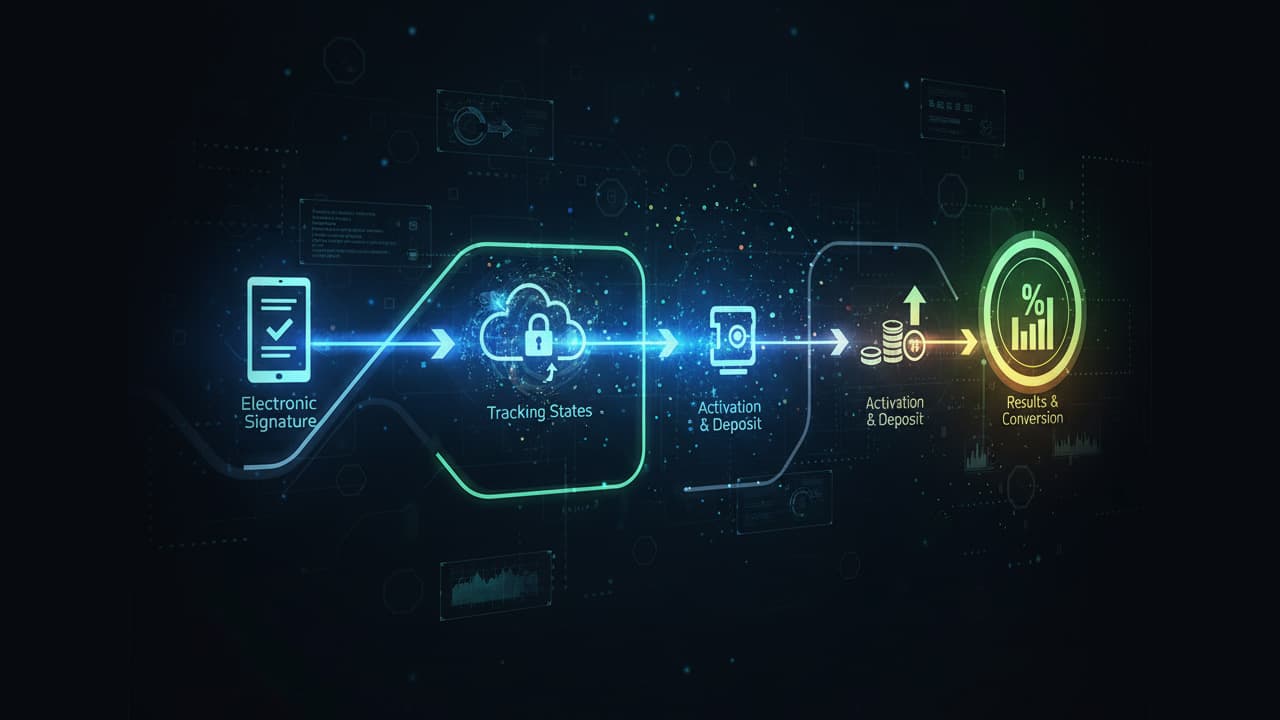
1. Electronic Signature Provider Integration
Tools like HelloSign (now Dropbox Sign) allow sending contracts for electronic signature programmatically. The idea is to create contract templates with dynamic fields that are automatically filled with user data: name, email, investment amount, selected fund, etc.
When a user completes registration, the system automatically generates and sends the corresponding contract, without any manual intervention from the team.
2. Status Tracking
It's crucial to maintain a record of each contract's status in your database:
| Status | Description | Next step |
|---|---|---|
| Pending | Contract sent, awaiting signature | Email reminder |
| Viewed | User opened the document | Waiting for action |
| Signed | User signed the contract | Start onboarding |
| Declined | User declined to sign | Manual contact |
| Expired | Time limit exceeded | Resend contract |
This tracking allows you to know exactly where each user is in the process and take automated actions based on their status.
3. Webhooks for Real-time Updates
Electronic signature providers notify status changes via webhooks. This means your system receives an instant notification when:
- The user opens the document for the first time
- The user signs the contract
- The user declines to sign
- The contract expires without signature
With these notifications you can trigger automatic actions: send emails, update account status, notify the sales team, etc.
Post-Signature Onboarding Flow
Once the user signs the contract, the goal is to guide them toward their first deposit:
1. Confirmation Email
Immediately after signing, the user receives an email confirming that the contract was received and clearly explaining the next steps.
2. Account Activation
The user's account automatically changes from "pending" to "active" status, unlocking access to the full dashboard where they can view their investments and make deposits.
3. Automated Email Sequence
A series of emails guide the user toward their first deposit:
- Day 0: Welcome + instructions for making the first deposit
- Day 2: Benefits of investing early
- Day 5: Friendly reminder if no deposit made
- Day 10: Special offer or personal contact from the team
This sequence automatically stops when the user makes their first deposit.
4. Dashboard with Visual Progress
The dashboard shows an onboarding checklist that gives the user a clear sense of progress:
- Account created ✓
- Contract signed ✓
- First deposit made (pending)
This subtle gamification helps users complete the process.
Results Achieved
With this system at CommonSense we achieved:
- 40% reduction in onboarding time
- 25% more conversions from registration to first deposit
- Zero manual intervention for standard contracts
The team went from manually processing contracts to only intervening in exceptional cases.
Important Considerations
Error Handling
You always need a plan B when the signature provider doesn't respond. Implementing automatic retries with incremental waits prevents users from getting stuck due to temporary issues.
Document Storage
Signed PDFs shouldn't be stored in your main database. It's better to keep them with the signature provider and access them through temporary URLs when needed. This improves security and reduces complexity.
Customization by Client Type
Not all clients need the same contract. A well-designed system allows having different templates based on investment type, amount, or client jurisdiction.
Conclusion
A good contract and onboarding system isn't just technology - it's understanding the user journey and removing friction at every step. The key is automating the repetitive and personalizing what matters.
The time you invest in designing this flow well translates directly into more conversions and less manual work for your team.